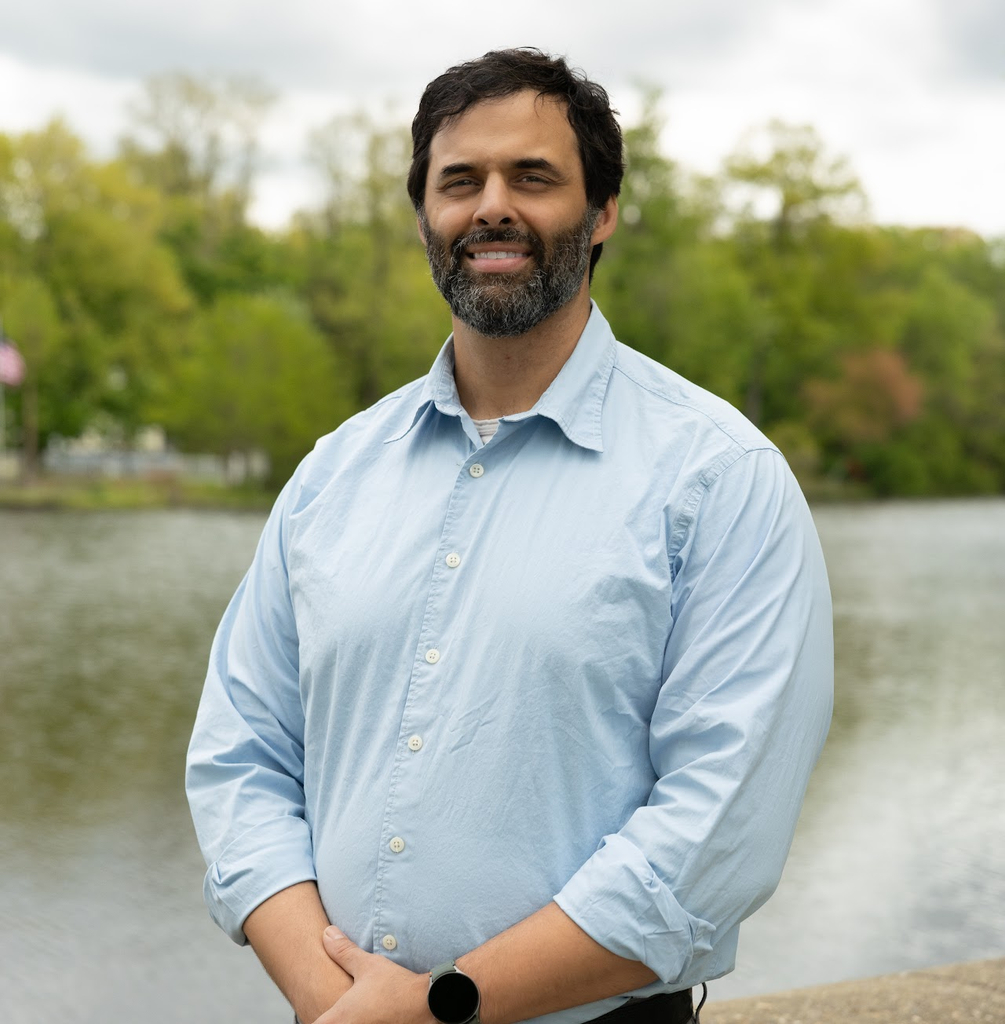
Hightstown voters will see no contested municipal races in the Tuesday, Nov. 3, general election, with Democratic Mayor Susan Bluth running unopposed for a second term and Michael Bollentin and Alexander Costantino seeking two Borough Council seats. The Hightstown Democratic Club lists Bluth, Bollentin and Costantino as its 2026 candidates.
Bluth is seeking a second four-year term as mayor. She was elected mayor in 2022 after serving on the Borough Council since 2012, including terms as council president.
She has lived in Hightstown since 2005 and has worked as a paralegal for more than 40 years. During her years in borough government, she has served as liaison to the Cultural Arts Commission and as police commissioner. Before becoming mayor, she also served on the board of directors of the Wyckoff’s Mill Condominium Association.
Bluth said her priorities for a second term include major infrastructure improvements, redevelopment of underutilized properties and continued work on the borough’s water system.
The borough has been working to replace lead and galvanized water service lines and has undertaken improvements to its water treatment system. Bluth also cited redevelopment and continued public engagement through town hall meetings among her priorities.
Bollentin has lived in Hightstown for 23 years and has more than three decades of public-service experience. His background includes 34 years in emergency medical services, 16 years in law enforcement, emergency communications, public-safety instruction and environmental response.
He currently works as a hazardous materials supervisor and holds a bachelor’s degree in communications and network management. Bollentin also serves on the Hightstown Environmental Commission. Borough records list him as a member of the commission, while the Hightstown Democratic Club identifies him as its chair.
Costantino is a local musician, music educator and business owner associated with Old Hights Brewing Co. He also serves on Hightstown’s Complete Streets Committee. The Hightstown Democratic Club says Costantino has lived in the borough for 13 years and is raising three children with his wife.
The Windsor-Hights Herald asked the candidates about their backgrounds and priorities. Bluth and Bollentin responded to the questionnaire. Costantino did not submit responses.
Mayor
What qualifications and experience would you bring to the office you are seeking, and how would they help you serve the community?
Bluth: I am currently the mayor and have been a member of Hightstown’s council since 2012, including prior terms as council president. I also served for many years as president of my condominium board of directors. In addition, my more than 40 years of experience as a paralegal has prepared me well for service in local government.
This combination of skills and experience gives me the tools necessary to evaluate whether we are receiving honest and fair advice from the borough’s paid professionals. No one person can be an expert in engineering, legal, planning and zoning, and other administrative matters, but the mayor, as leader, must be able to get the best from their team.
What are the most important issues facing your municipality, and what specific actions would you pursue in this office to address them?
Bluth: My second term as mayor would focus on major infrastructure improvements in Hightstown, as well as the redevelopment of underutilized properties. I would continue to advance Hightstown’s 10-year plan to replace all lead and galvanized steel water pipes, as well as the nearly complete overhaul of our water treatment system. Our residents have been funding this work through their utility bills, so we must ensure that the work is completed in a timely manner and to the highest standards.
In addition, as part of our borough’s redevelopment committee, I would set clear expectations for appropriate development while establishing fair incentives to encourage it.
How would you limit municipal property tax increases as costs rise, and what spending changes or cost-saving measures would you support while maintaining essential services?
Bluth: Hightstown has a lean budget that focuses on funding essential services. However, as the cost of all goods and materials continues to climb, we have been proactive in locking in multiyear contracts so as to obtain the best prices that we can.
Strategies such as purchasing cooperatives through Mercer County and the state, as well as the numerous shared services that we have with neighboring municipalities, help to keep our costs down. This fiscal responsibility also improves our bond rating so that when large, long-term expenses must be financed, we do not pay as much in debt service.
How would you involve residents in municipal decisions and keep them informed about spending, major projects and progress on your priorities?
Bluth: Hightstown has adopted the use of town hall meetings, which allow for more public engagement and questions and answers, which isn’t always possible during our council meetings, where regular business takes priority.
Over the past year, we held town hall meetings to discuss the Ward Street Bridge, the YMCA building and the Rug Mill development. Feedback from those meetings was invaluable. Not everyone agrees with the final decision, but every resident’s concern was taken into consideration.
Borough Council
What qualifications and experience would you bring to the office you are seeking, and how would they help you serve the community?
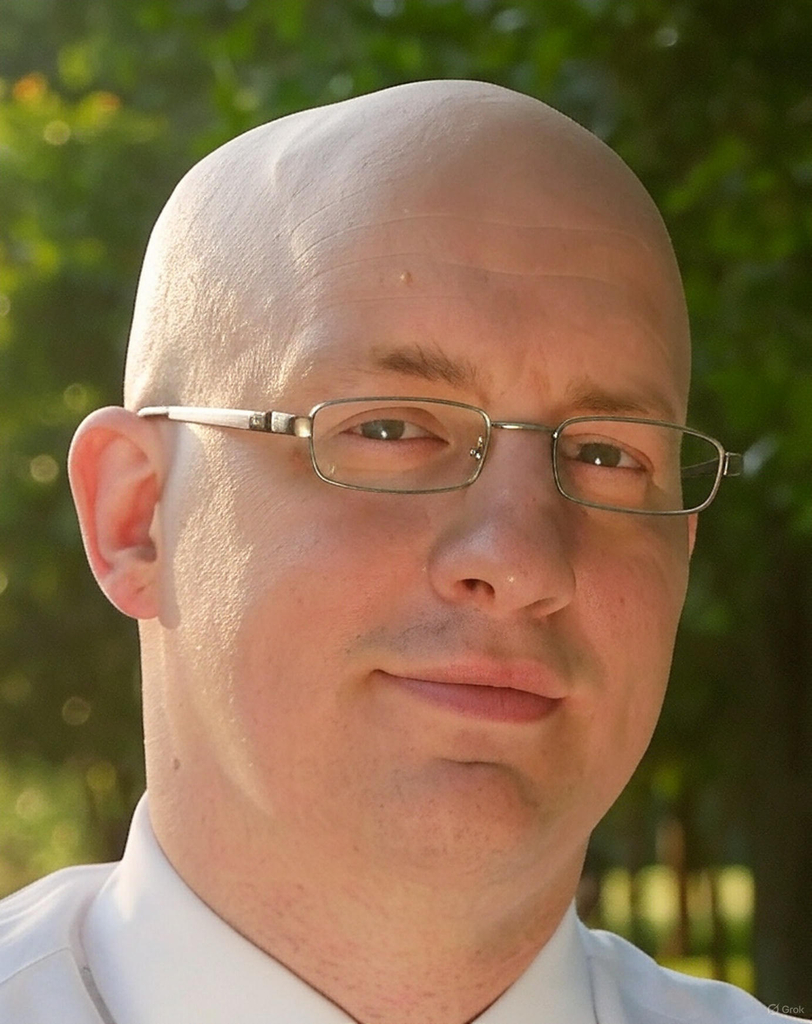
Bollentin: I bring more than three decades of public-service experience, including EMS, law enforcement, coaching, teaching and environmental response. Those roles taught me to listen, make decisions with incomplete information, work within rules and budgets, and stay accountable when things go wrong.
As chair of the Hightstown Environmental Commission, I have also gained firsthand experience with municipal government and the importance of balancing long-term goals with what is practical for residents today.
I would bring a problem-solving mindset to the office. I am not interested in approaching every issue from a predetermined political position. I want to understand the problem, hear from the people affected, examine the available options and make the best decision I can for Hightstown.
What are the most important issues facing your municipality, and what specific actions would you pursue in this office to address them?
Bollentin: Hightstown faces the challenge of maintaining a small, vibrant community while dealing with rising costs, aging infrastructure, development pressures, affordable housing obligations, traffic and the need to maintain essential municipal services.
I would focus on realistic long-term planning rather than repeatedly reacting to problems after they become expensive. That means examining infrastructure needs, development proposals, shared-service opportunities, grant funding and the long-term financial impact of decisions before committing taxpayers.
I also believe we need to protect what makes Hightstown attractive in the first place: its walkability, downtown, neighborhoods, community events and sense of identity. Growth and change are inevitable. The goal should be to manage them intelligently rather than simply resist or accept them.
How would you limit municipal property tax increases as costs rise, and what spending changes or cost-saving measures would you support while maintaining essential services?
Bollentin: No one can credibly promise that property taxes will never increase while the costs of labor, insurance, equipment, utilities and services continue to rise. The responsibility is to ensure every increase is necessary and that taxpayers receive value for it.
I would support routinely examining shared services, cooperative purchasing, grants, energy and operational efficiencies, and whether existing programs are producing the results we expect.
I would be cautious about cutting any services simply to produce a better-looking tax number for one budget year. Deferred maintenance and short-term cuts often become larger bills later. Fiscal responsibility means controlling unnecessary spending and unintended consequences while also recognizing that spending money today can prevent much larger spending tomorrow.
How would you involve residents in municipal decisions and keep them informed about spending, major projects and progress on your priorities?
Bollentin: Government works better when residents can understand what is going on without having to become experts in municipal procedure.
I would support clearer explanations of major expenditures, projects, timelines and decisions through the borough website, social media, public meetings and straightforward written updates. When possible, residents should hear about significant proposals while there is still time to influence them, not after the important decisions have effectively been made.
I also believe officials have to be willing to explain not only what they voted for, but why. Residents may not agree with every decision I make. They should, however, be able to understand my reasoning, know what information I relied upon and feel that their concerns were genuinely considered.