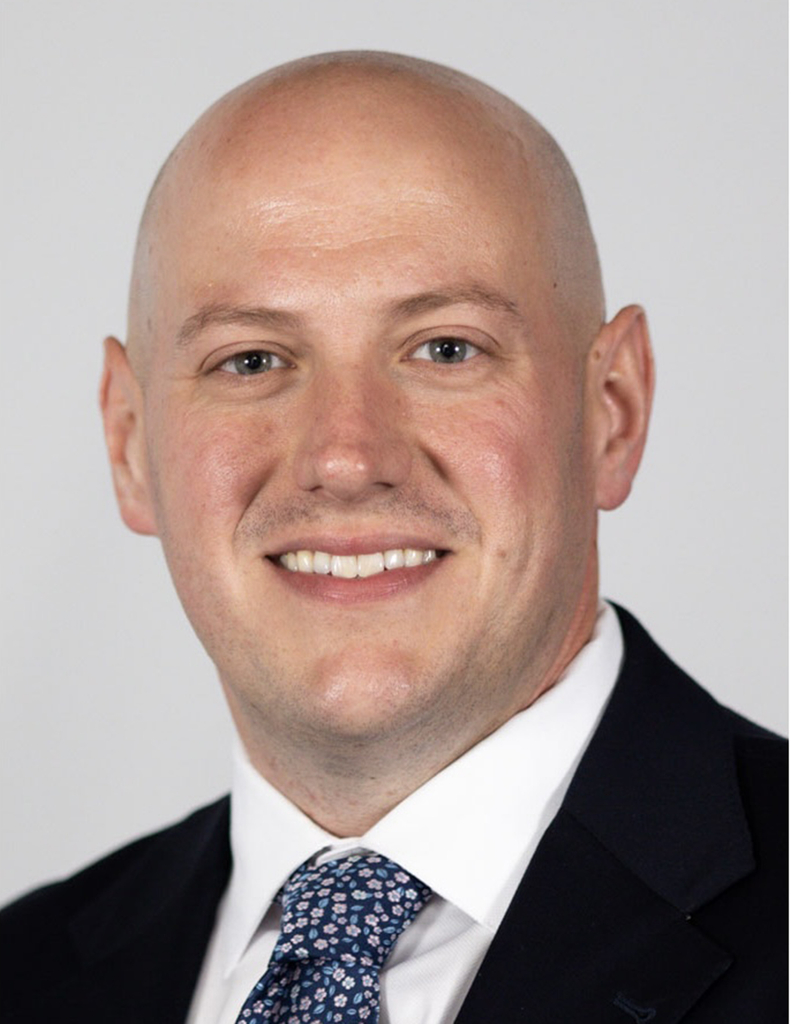
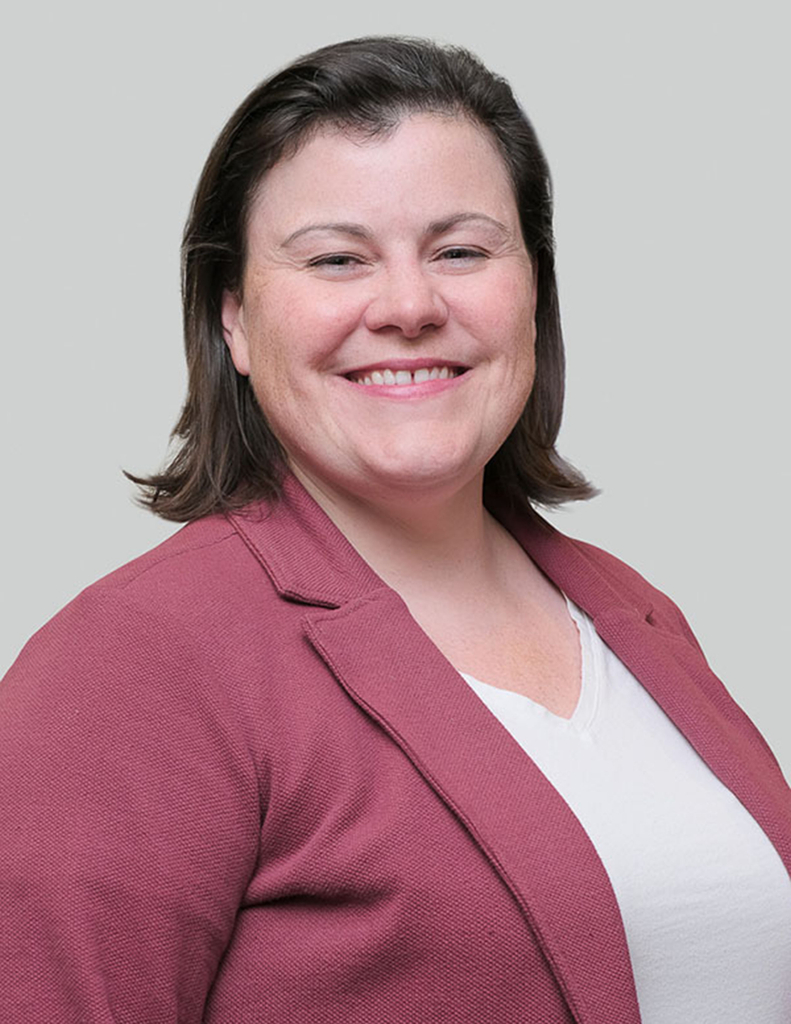
Four candidates are seeking two seats carrying four-year terms on the Ewing Township Council in the Nov. 3 general election.
Republicans James W. Anderson and John Wesley Brown II and Democrats Carl Benedetti Jr. and Sarah Steward are running for the two seats. Voters may select two candidates.
Steward is seeking another term on the council, while Benedetti is seeking his first term after defeating incumbent Councilwoman Kathleen Wollert in the Democratic primary. Anderson and Brown are the Republican nominees.
The election could change the partisan makeup of a council currently composed entirely of Democrats. The five-member council includes Kevin Baxter, Jennifer Keyes-Maloney, David Schroth, Steward and Wollert. Steward and Wollert hold the two seats whose terms expire Dec. 31.
Ewing operates under the mayor-council form of government established under the Faulkner Act. The mayor serves as the township’s chief executive, while the council is the legislative body responsible for adopting ordinances and approving the municipal budget. All five council members are elected at large to four-year terms, with either two or three seats up for election every two years.
The Ewing Observer asked the candidates to provide biographical information and answer four questions about their qualifications, issues facing the township, municipal spending and taxes, and public involvement in government.
Anderson has lived in Mercer County for 32 years and has been an Ewing resident since 2016. He and his wife have a grown son and daughter-in-law and three grandchildren.
He earned an associate degree from Scottsdale Community College in Arizona and attended Northern Arizona University. Anderson retired in 2017 after working as an operations manager for a local Ewing business. He has spent the past nine years in full-time ministry and has served as assistant pastor at Calvary Chapel Mercer County in Ewing since 2023.
Benedetti is a lifelong Ewing resident and graduate of the Ewing Public Schools. He earned an associate degree from Mercer County Community College and a bachelor’s degree in political science from The College of New Jersey.
He works as a territory manager for Pennsylvania Steel Co. and lives in the Wynnewood Manor section of Ewing with his fiancée, Jessica.
Benedetti served on the Ewing Township Board of Education from 2011 to 2020, including terms as president and vice president, and was a member of its Negotiations and Facilities committees. He currently serves on the Ewing Township Zoning Board of Adjustment. His current term expires Dec. 31, 2029.
Brown was born in Galveston, Texas, and grew up in Bucks County, Pennsylvania. He attended Gettysburg College, Princeton University and St. John’s University.
Brown has performed clinical work with patients at hospitals, psychiatric hospitals and clinics and has maintained a private practice in clinical psychology and behavioral neuroscience for more than 25 years. He is a U.S. military veteran and a consultant for the Department of Veterans Affairs.
Brown did not respond to requests to participate in the Ewing Observer’s candidate questionnaire.
Steward is a lifelong Ewing resident who lives in the Wynnewood Manor neighborhood where she grew up and is a graduate of the Ewing Public Schools.
She is CEO of HomeFront, a nonprofit that assists families experiencing homelessness and poverty, and previously worked as an adviser to former U.S. Rep. Rush Holt, managing his New Jersey office and serving on Capitol Hill.
Steward has served on the Township Council since 2013 and is currently council vice president.
She earned bachelor’s degrees in psychology and government from Franklin & Marshall College and a Master of Public Administration from Rutgers University. She is a parishioner and cantor at Our Lady of Good Counsel and sings with the Central Jersey Choral Society.
The candidates’ responses follow. Brown did not submit responses.
What qualifications and experience would you bring to the office you are seeking, and how would they help you serve the community?
Anderson: My more than 20 years of experience as an operations manager taught me how to run a business efficiently and execute strategy to achieve our goals.
I have spent the last nine years in full-time ministry, which has equipped me with strong leadership, communication and conflict-resolution skills. Most importantly, it has given me a love for neighbors and a deep commitment to serving others.
Benedetti: I have spent my entire adult life serving Ewing Township. My nine years on the Ewing Township Board of Education gave me firsthand experience overseeing budgets, maintaining essential services, prioritizing safety and making difficult decisions as a member of a tax-levying body.
I understand that effective local government requires listening to residents, asking tough questions and working collaboratively with people who may not always agree. Decisions should be based on facts and on what best serves the community.
My service on the Zoning Board has also given me a closer understanding of development, land use and the importance of balancing economic growth with the needs of established neighborhoods. I would bring that experience to Township Council, with an emphasis on fiscal responsibility, accountability and dependable municipal services.
Steward: My first instinct is to point to my resume qualifications: my studies in government, my years working alongside an honorable public servant, and my experience serving on Ewing Council since 2013. Those experiences have given me the knowledge and relationships to help our government work well for our community.
But being qualified to represent my neighbors is about more than degrees or years served. I pride myself on my willingness to learn and listen with compassion and humility, to think critically and creatively about our challenges, and to recognize that the collective wisdom of our community exceeds anything learned in a classroom.
I have tried to demonstrate these qualities throughout my time in public service, and I will continue to bring them to Council.
What are the most important issues facing your municipality, and what specific actions would you pursue in this office to address them?
Anderson: I believe the most important issues facing our community here in Ewing are balancing the need for responsible development that works for residents versus rapid overdevelopment that benefits developers but only serves to put an additional tax burden on our residents.
As the average property tax burden has increased dramatically over the last four years, I believe there needs to be a strong commitment by our council to prioritize projects that will lower our taxes and not increase spending.
Benedetti: Ewing’s most important challenges are controlling property taxes, maintaining essential services and continuing to promote responsible economic development.
In 2026, Ewing Township, like many local governments across New Jersey, faced a significant increase in State Health Benefits Program costs. The administration worked with our township employees to help offset some of that increase, but we must continue to collaborate with our local bargaining units and state representatives to find a sustainable long-term solution.
Employees should have access to affordable health coverage, but taxpayers cannot continue absorbing such increases.
Ewing has also seen significant residential development over the past few years. As the Township Master Plan is updated, we must ensure that future development strengthens our commercial tax base, respects established neighborhoods and that future PILOT agreements are structured in the best interest of our residents.
Steward: Ewing is a community that has nurtured, raised and supported me throughout my life, and I want to ensure it remains a place where all families can thrive.
Municipal government plays a central role in that: providing public safety and infrastructure, maintaining beautiful community spaces, and setting a vision for growth and redevelopment.
Each precious tax dollar has to be put to its best use, and essential services must be maintained even as costs rise. The greatest question before us is how to set a vision for Ewing’s future — balancing wise investment in public services with the burden on taxpayers, and pursuing responsible development that keeps our community vibrant while honoring its history.
My priority in office will be working collaboratively with residents and my Council colleagues to answer those questions in a way that is accountable, transparent and effective.
How would you limit municipal property tax increases as costs rise, and what spending changes or cost-saving measures would you support while maintaining essential services?
Anderson: I would work to prioritize spending on things that are essential government responsibilities over things that might be nice but are not necessary and are unaffordable.
This is what every family in Ewing does when developing a budget of their own.
Benedetti: Keeping property taxes under control is not simply a matter of cutting services. It requires controlling the cost of delivering those services and finding revenue sources that do not fall entirely on homeowners.
During the most recent budget cycle, Township Council worked diligently with all department heads to identify savings on operational costs wherever possible. Along with continued internal cost controls, we must always look for further collaboration with the school district, our neighboring municipalities and Mercer County for shared-service opportunities.
Council has also been disciplined with capital expenditures over the last several years, particularly when it comes to replacing crucial public works equipment and public safety vehicles. We must continue to make responsible investments in these assets and avoid costly, repetitive repairs when replacement is the more fiscally responsible decision.
I would also encourage continued investment in our grant-writing efforts, which have provided substantial funding for necessary township projects.
Steward: Passing our municipal budget is Council’s most important work each year, and recent budgets have been difficult. Like household budgets, township costs are rising quickly, even as residents rightfully expect more from our services.
Last year, rising health care costs for essential employees like police and fire drove much of our budget increase.
Looking forward, we need to get creative about controlling costs: exploring innovative ways other communities have found to offer competitive health coverage more affordably, and continuing to pursue shared services with neighboring municipalities, the county, the school district and the state to maximize efficiency.
We also need to hear directly from residents about which services they value most and where they would accept cuts — while recognizing that neighbors often disagree on those priorities.
Balancing all of these competing interests, honestly and transparently, is how we keep our budget responsible and fair.
How would you involve residents in municipal decisions and keep them informed about spending, major projects and progress on your priorities?
Anderson: I believe the township currently does a pretty good job of giving residents the ability to be informed. I would continue to participate in things like “Coffee with Council,” as well as let residents know that they can reach out to me by email and that I will answer them.
However, I think the most important thing that residents of Ewing need is to know that not only are they being heard, but that their concerns are actually being listened to and taken seriously.
Benedetti: Residents should not have to attend every meeting or file OPRA requests to understand what their municipal government is doing. Meeting agendas, minutes and supporting information should be posted as promptly as possible.
Residents are also now able to watch Township Council meetings from their homes with the virtual option. For major projects and before adoption of the annual budget, I support town hall-style meetings in respective neighborhoods and community centers. Those meetings would allow residents the opportunity to ask questions and understand how proposed decisions may affect them.
The township has expanded its social media presence over the past few years, which has greatly improved how we share information with residents. It has become an important tool for keeping residents informed about major happenings throughout the town.
The “Ewing Insights” email newsletter gives our residents a comprehensive list of municipal news and upcoming events. Monthly “Coffee with Council” gatherings have given residents greater accessibility to their elected officials.
I would also build on these efforts to keep residents informed on the status of any major projects, construction or roadwork taking place.
Steward: The wisdom of our community far exceeds that of the handful of us elected to Council, so it’s our job to seek out and engage residents to do that job well.
I’ve been proud to support our improved community engagement efforts: creating our first public information officer position to strengthen communication through email, social media and the web; launching the Ewing Buddy app so government can respond more quickly to resident concerns; hosting Coffee with Council chats where residents share their thoughts directly; and holding public information sessions on issues from senior tax programs to public works projects.
We’ve also begun livestreaming Council meetings, knowing many residents can’t attend in person on a Tuesday evening but can log in to follow issues they care about.
Government works best when it is transparent and collaborative, and I remain committed to pursuing every avenue to achieve that.