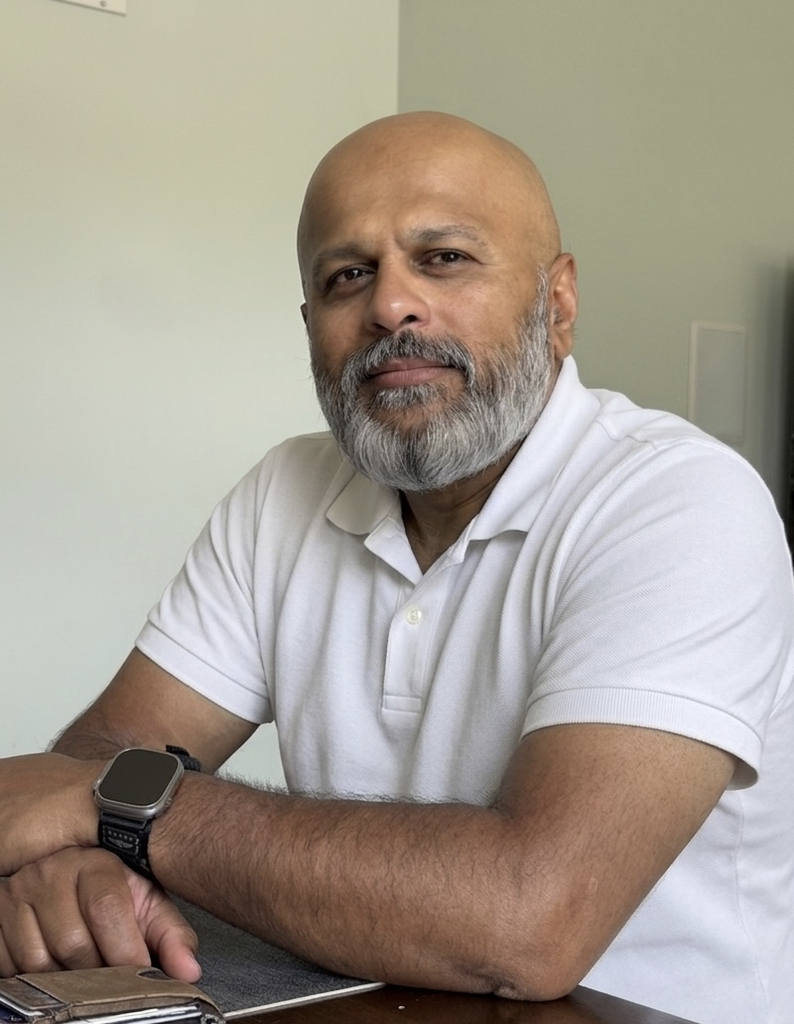
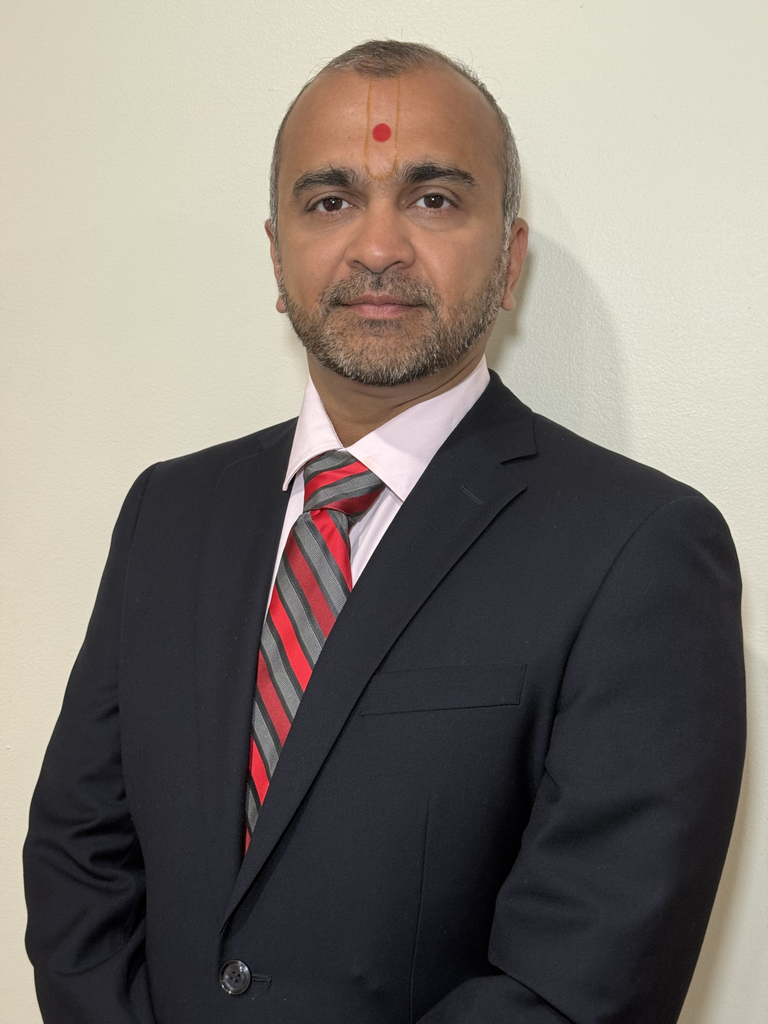
Robbinsville voters will choose between two candidates Nov. 3 to fill the remainder of an unexpired term on the Township Council.
Kiran Agrahara and incumbent Township Councilman Ravi Patni are competing for the seat, which became vacant when Mike Todd left the council after being elected mayor in November 2025. Todd, who had been elected to a four-year council term in 2023, took office as mayor in January, leaving the remainder of his council term vacant.
The Township Council selected Patni on Jan. 29 to temporarily fill Todd’s seat. His appointment lasts until the certification of the Nov. 3 election, when the winner will take over the seat and serve the remainder of Todd’s original term, through Jan. 15, 2028.
Although the race is listed as a one-year unexpired term, the person elected will serve from certification of the election through Jan. 15, 2028. The Mercer County candidate list identifies Agrahara and Patni as the two candidates and instructs voters to choose one.
Robbinsville has a five-member Township Council, with members normally elected to staggered four-year terms. The council serves as the township’s legislative branch.
Agrahara, who is running under the slogan “Blue Ticket Fresh Voice,” has lived in Robbinsville for 18 years and has more than 30 years of experience in enterprise technology leadership, including managing multimillion-dollar budgets and advising financial institutions.
He serves as vice chairman of the township Economic Development Advisory Committee and is a licensed New Jersey real estate agent. He has served on his homeowners association board since 2008, graduated from the Robbinsville Citizen Police Academy, serves as an honorary commander at Joint Base McGuire-Dix-Lakehurst and funds annual scholarships for Robbinsville High School seniors.
Patni has lived in Robbinsville since 2020 and currently serves on the Township Council. His municipal service began on the Zoning Board, followed by the Planning Board and Land Use Board.
He also serves on the Mercer County Workforce Development Board and the Executive Committee of the New Jersey Office of Homeland Security and Preparedness Interfaith Advisory Council.
A pharmacist by education, Patni works in pharmaceutical audit and compliance, auditing research and development processes, and is a local small-business owner. He serves as council liaison to Robbinsville Schools and the Robbinsville Board of Education. He lives in Robbinsville with his parents, wife Beena, and their two daughters.
The Robbinsville Advance asked the candidates four questions about their experience, priorities, municipal spending and communication with residents. Their answers appear below in alphabetical order.
What qualifications and experience would you bring to the office you are seeking, and how would they help you serve the community?
Agrahara: Eighteen years as a Robbinsville resident, community advocate, and leader who understands how municipal and commercial operations function behind closed doors.
Enterprise Fiscal Leadership — Over 30 years leading large-scale enterprise technology infrastructure programs, advising financial institutions, and managing major budgets. That background translates into line-by-line contract audits, eliminating redundancies, and catching costs others miss. As a licensed New Jersey real estate agent, land use, zoning, and assessments are practical daily tools for me, not abstractions.
Civic Service & Public Safety — As Vice Chairman of the Economic Development Advisory Committee (EDAC), we launched Restaurant Week and Quarterly Business Breakfasts to support local businesses. I have served on my HOA board since 2008, graduated from the Robbinsville Citizen Police Academy, currently serve as an Honorary Commander at Joint Base McGuire-Dix-Lakehurst, and have awarded annual scholarships to Robbinsville High School seniors for the last few years.
Grassroots Engagement — Having knocked on over 1,000 doors, I listen directly to the issues that impact our neighborhoods most.
Patni: I currently serve on the Robbinsville Township Council. My municipal service began on the Zoning Board, followed by the Planning Board and then the Land Use Board after the boards were consolidated. I also serve on the Mercer County Workforce Development Board and on the Executive Committee of the NJOHSP Interfaith Advisory Council.
I am a pharmacist by education and work in pharmaceuticals, auditing research and development processes. My professional work requires me to review facts carefully, assess risk, maintain accountability and ask questions before reaching conclusions. As a local small-business owner, I also understand the practical challenges facing families and businesses.
My professional background has taught me that good decisions require both collaboration and independent review. I bring that same approach to Council: listen, study the facts, ask thoughtful questions and work constructively with others.
What are the most important issues facing your municipality, and what specific actions would you pursue in this office to address them?
Agrahara: School Support & Personal Commitment — Under New Jersey law, PILOT payments default 95% to the township and 5% to the county, guaranteeing schools 0%. While the administration shares revenue, our district still faces real structural deficits. Before any council vote, I will require a one-page fiscal impact summary showing exact distributions to the township, county, and schools, while establishing a predictable revenue-sharing framework with the Board of Education. To back my words with action, I pledge to donate 100% of my council salary directly back to the school district throughout my term.
● Safe Routes & Reforming Sidewalk Waivers: Courtesy busing cuts forced students onto high-speed road shoulders, yet our Master Plan mandates sidewalks. Land-use boards routinely waive this requirement under the premise of avoiding disconnected segments, collecting fees for a “Sidewalk Trust Fund” instead. Those funds sit idle while children walk on narrow shoulders. I will demand an immediate audit of collected in-lieu sidewalk fees, end automatic waivers, and direct those dollars to fast-track continuous sidewalks and NJDOT Safe Routes grants.
● Advance Notice on Approvals: Residents should not learn about major land-use approvals after votes occur. I will expand notice radius requirements so neighborhoods are informed before decisions are finalized.
Patni: Public safety, fiscal responsibility, responsible growth, supporting our schools and strong community partnerships remain important priorities for Robbinsville.
I believe Robbinsville has a strong foundation, built through the work of our Mayor, Council, Township staff and community. As a Council member, my responsibility is to approach each matter independently—review the facts, listen to residents, ask questions where appropriate, and then make the decision I believe best serves Robbinsville as a whole.
Public safety and essential services should remain central to our decisions. Growth should be evaluated thoughtfully, considering its impact on our tax base, traffic, infrastructure, neighborhoods and quality of life. We should also maintain constructive communication with our schools and Board of Education while respecting the Board’s independent responsibilities.
I believe progress comes from collaboration, but collaboration should always include thoughtful discussion and independent judgment.
How would you limit municipal property tax increases as costs rise, and what spending changes or cost-saving measures would you support while maintaining essential services?
Agrahara: The municipal portion is roughly 19% of your total property tax bill, while schools represent 55% and the county 26%. A council seat cannot single-handedly fix the entire bill, but council controls the municipal budget, which rose roughly $194 on the average home this year. I will protect essential services through three disciplined steps:
Line-Item Contract Reviews — In 30 years of enterprise leadership, I have never reviewed a large vendor portfolio without finding tangible savings. I will audit existing municipal contracts before approving budget increases, publishing findings publicly.
Honest Shared Services — Shifting costs from the school board to the municipal budget is not tax relief. I will support inter-local shared service agreements, such as fleet maintenance, equipment, and facility operations, only when they demonstrate net cost reductions.
● Fair Assessments: Robbinsville has not had a town-wide revaluation since 2007, and our equalization ratio has dropped from 96.85% to 67.26%. A revaluation does not generate extra municipal revenue; it ensures each homeowner carries only their fair share.
Patni: Property taxes are a concern, especially as the cost of providing municipal services continues to rise. I do not believe it is responsible to promise a particular tax outcome without first understanding the complete budget, obligations and services behind it.
When budgets and expenditures come before Council, I believe we should ask: Is this necessary? Is there a more efficient alternative? Can shared services, competitive purchasing or available grants reduce the cost? Are taxpayers receiving appropriate value?
At the same time, essential services, particularly public safety, must be protected. Responsible commercial growth can help strengthen the municipal tax base, but its long-term impact on infrastructure and the community must also be considered.
Fiscal responsibility means balancing affordability with the quality of services residents expect—and being willing to ask difficult questions when necessary.
How would you involve residents in municipal decisions and keep them informed about spending, major projects, and progress on your priorities?
Agrahara: Publish the Numbers Before the Vote: Financial impact analysis, development figures, and budget line items should be available to the public while policies can still be shaped, not buried in meeting packets after the fact.
Open Accountability — I will provide regular digital updates addressing community questions, including when the honest answer is “council cannot regulate that” or “we are still investigating.”
Collaborative Solutions: Local governments must invite resident expertise early. By engaging parents on sidewalk safety audits and holding open briefing sessions on major projects, I will ensure Robbinsville government operates openly alongside our residents.
Patni: Robbinsville already provides public meetings and access to agendas, minutes, budgets and other municipal information. I support continuing to make that information accessible and understandable.
But listening cannot be limited to the Council meetings. Community events, emails and everyday conversations with residents provide perspectives that can be valuable when decisions come before us. On significant spending and major projects, residents should be able to understand what is being considered, why it matters and how it may affect the community.
We may not always agree, but residents should know their voices matter. My approach is to listen respectfully, communicate openly, ask questions and make decisions after considering the facts and the interests of Robbinsville as a whole.