The Nov. 3 general election features a contested race between Democrats and Republicans for two seats on the Hopewell Township Committee.
Hopewell Township voters will choose two of four candidates to serve three-year terms on the Township Committee.
Democratic candidates Michael Ruger, an incumbent, and Sophie Purgavie are facing Republican candidates John Hart, a former committeeman, and Steve Niederer.
The Hopewell Express sent questions to all four candidates in the race. Their biographies and responses are below.
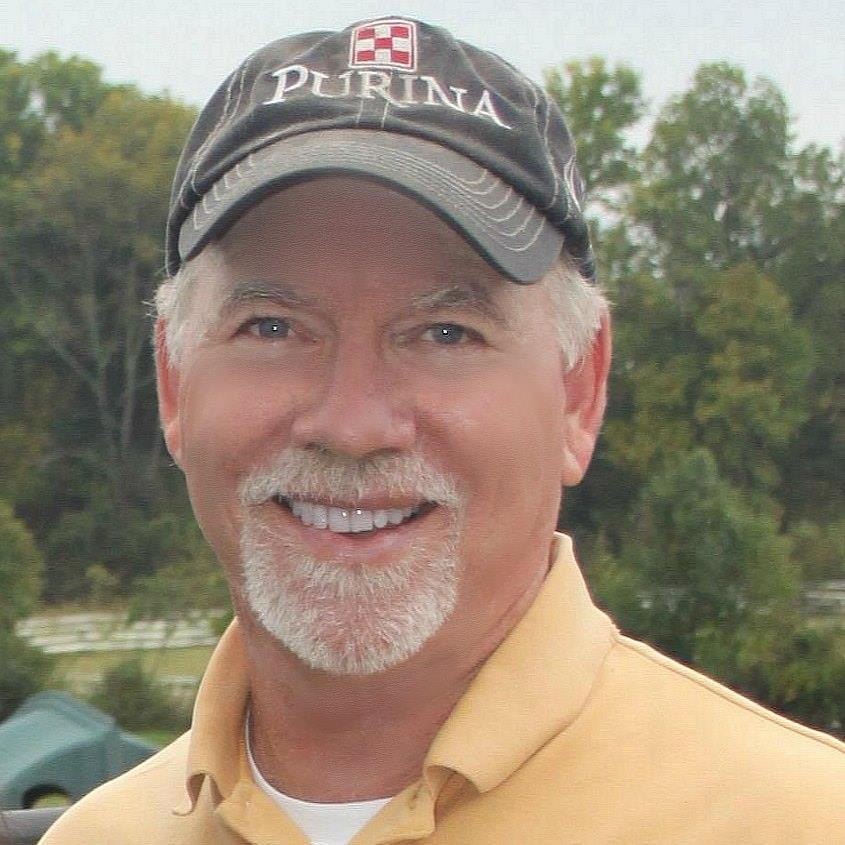
Hart is a 10th-generation farmer who traces his Hopewell roots back more than 250 years. He is the owner of Rosedale Mills Country Store, Needle Creek Farm Brewery and John Hart Farms.
He has more than 10 years of experience on the Hopewell Township Committee, including serving as mayor from 1996 to 1998. Hart’s children and grandchildren have all attended the Hopewell Valley Regional School District.
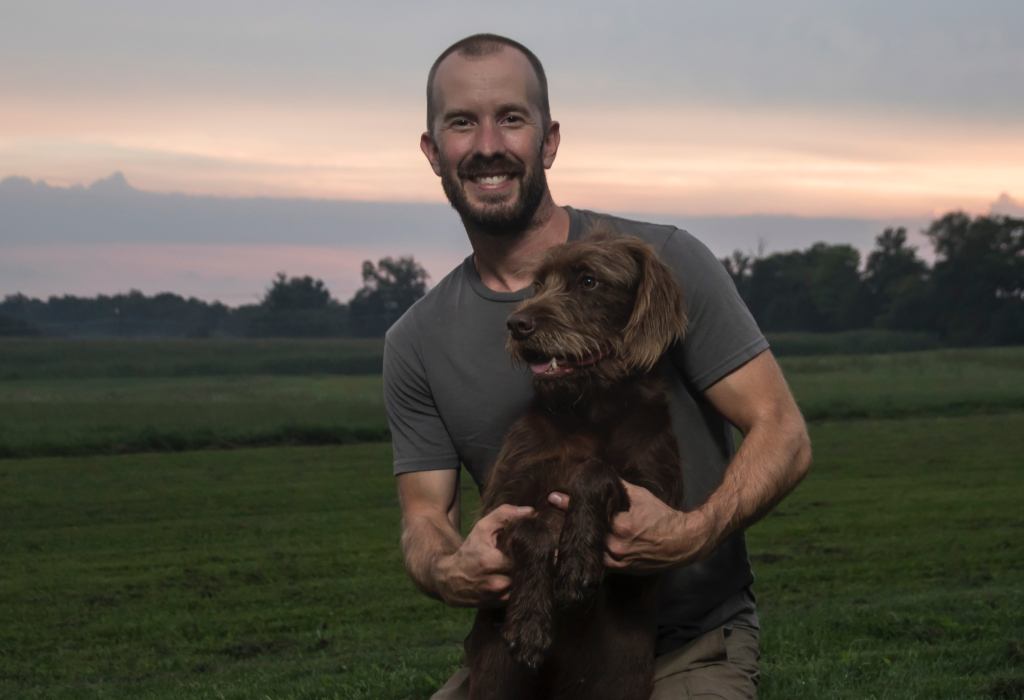
Niederer is 38 years old and has been proud to call Hopewell home his entire life.
“I spent 10 years serving with the Mercer County Sheriff’s Office, including time with the U.S. Marshals Fugitive Task Force, before being shot in the line of duty and forced into early retirement. That experience changed the direction of my life, eventually leading me to take over a local butcher shop specializing in locally raised livestock and venison,” he said.
“Today, I’m grateful for the opportunity to serve my community in a different way by helping provide sustainable meat to those in need and supporting others through traumatic experiences as a mental health advocate.”
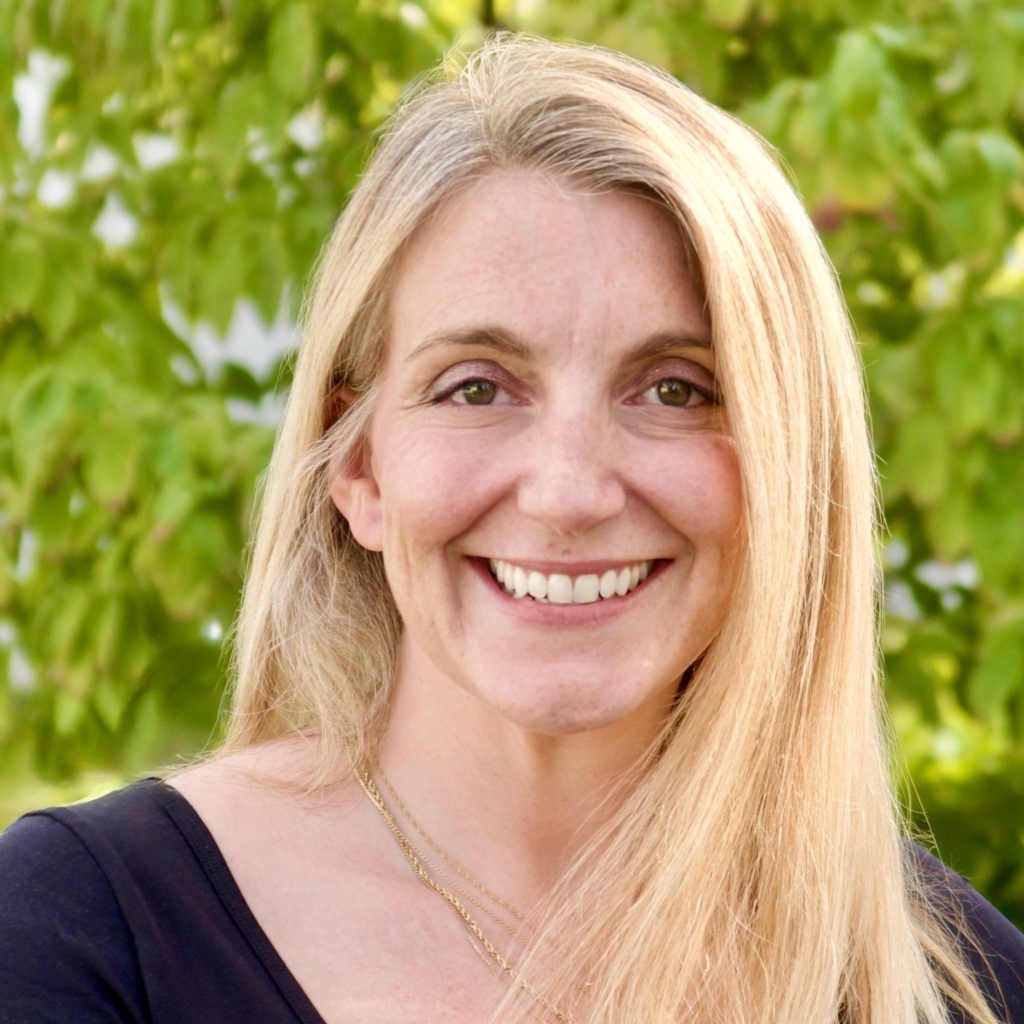
Purgavie said she grew up in Hopewell Township, went to school there, including a stint as the mascot, and has always considered it home.
“Like many, I left for college and young adulthood in NYC and abroad, but came back when my father died to help my mom and was reminded why this is home. I serve on the Zoning Board of Adjustment, the Open Space Advisory Committee, the LHT executive board, and the MBCJ Restaurant Coalition board,” she said.
“My career has been about connecting people, process and purpose to solve complex problems. Most importantly, I’m a mother to a two-year-old son who gives me every reason to leave this place better than I found it.”
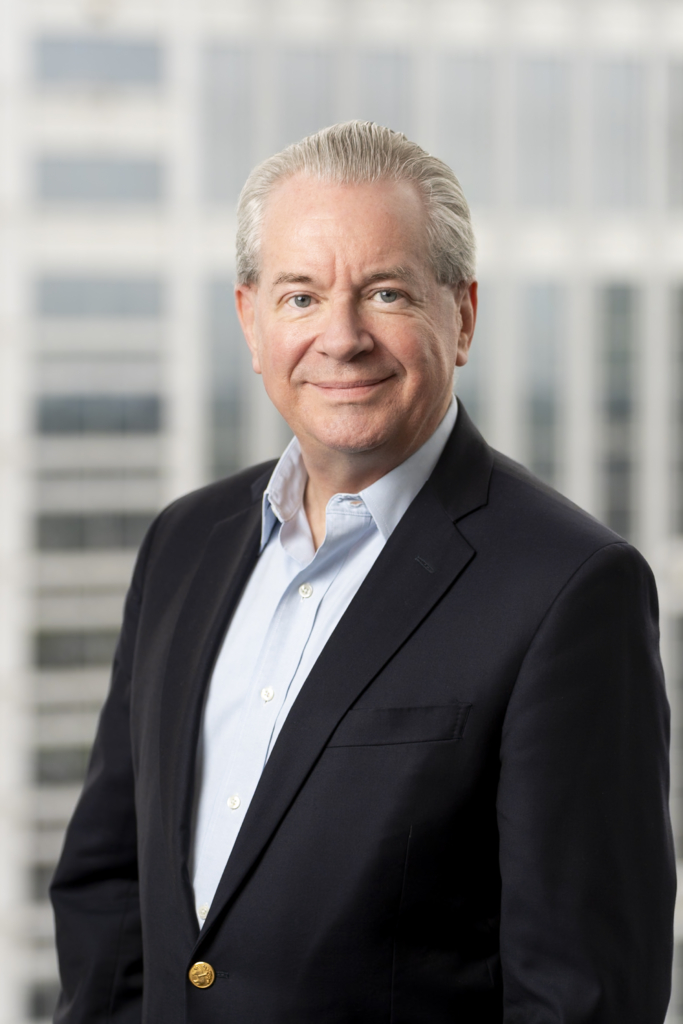
Ruger married Tracy Vogler in the former Harbourton church in 1992 and moved to Hopewell Township in 1998.
“Our three sons all graduated from Hopewell Valley Central High School. I graduated from Penn State and Georgetown Law and worked at the FCC and in private practice before joining Comcast, where I serve as vice president of government affairs. I will conclude my career there in October,” he said.
“I am a past chair of the Boys & Girls Clubs of Mercer County and chair of Penn State’s Political Science Department Board of Visitors. I serve on the Township Committee and am a former mayor and deputy mayor.”
Why did you want to run, or run for re-election?
Hart: I figured I know the town like the back of my hand better than anybody up there, and I know the issues because I have been up there before. Right now, we can’t do anything about stopping development. It is already on its way here now, but we can slow it down and control it.
Right now, development is going faster than the township can handle. Development is going way too fast. The Township Committee now does not look at the future. They didn’t contact the schools about the PILOT program and didn’t work with the other two boroughs.
This development with PILOTs is really destroying towns and businesses because they don’t get any tax revenue from it. The town says it is going to give $4.6 million to make it $20.7 million from the PILOT program for the schools. That PILOT program goes on for 30 years. You add 30 years of a PILOT program, and that is over $240 million in lost revenue to residents and schools.
I think we need to change things up. What I don’t like about what is happening now is the township is political. The township should be nonpartisan.
Niederer: I want to run for Hopewell Township Committee because I care deeply about the community I have called home my entire life. As a lifelong Hopewell resident and someone who has spent my career serving others, I believe in giving back to the place that shaped me.
After my previous chapter in life, I found a new way to serve my community through my local business and volunteer efforts. That experience reinforced the importance of service, accountability, and looking out for the people around you.
I want to bring that same mindset to Township Committee. My goal is to help protect what makes Hopewell special, make responsible decisions about growth and development, support our schools and public safety, preserve our community’s character and open spaces, and ensure residents have a voice in the decisions that affect their families and their future.
Purgavie: I genuinely believe government exists to improve people’s lives, and nowhere is that more tangible than at the local level. Local government decides whether the road you drive every morning gets repaved, how fast help arrives when you call 911, what happens to the open fields around you, and whether you can afford to stay in the place you call home. I want every resident to know we have their back, not because we told them so, but because their own experience proves it.
I grew up in Hopewell Township and, after years away, chose to come back and raise my family here. This community continues to thrive because it honors its history while staying committed to evolving. I want my child, and yours, to inherit that commitment and leave the Township better still for those who follow.
This job is about people. I will listen to every voice, speak up for every person, and bring my whole self to meeting each of them where they are. Every conversation reveals a need, an idea, or a new partnership. Connecting those dots is what I have done throughout my career, and it is what turns good intentions into better outcomes.
Respecting our past while embracing the future is not a contradiction. It is the whole job, and it’s why I am running.
Ruger: I initially ran for Township Committee because I wanted to help our community, and I am running for re-election because I believe there is still important work to do. I am proud of what my fellow Committee members and I have accomplished over the past nine years.
Together, we kept spending in check while maintaining staffing, including police, and making investments to provide residents with the services they expect and deserve. We lowered municipal taxes two years in a row, increased our surplus, and worked to pay down Township debt. We also managed through COVID, the loss of BMS, and the third and fourth rounds of our constitutionally mandated affordable housing responsibilities.
We attracted new businesses, including BeOne. I am proud of our work at Woolsey Park, including the bandshell, paid for by the state, and the pavilion that will soon be built, and the growing number of community events hosted there. I am also proud that we are now a film-ready community, creating opportunities to attract video production. There is more work to do. I look forward to making progress on a senior and community center and ensuring that future growth is managed thoughtfully and appropriately.
What separates you from other candidates vying for a seat on the Township Committee?
Hart: I have experience. I have been here a long time. Previously, I served on the Township Committee for more than 10 years. I know the town, I know the Public Works Department, I know the police.
The Public Works Department is short on manpower and short on equipment. I was liaison for Public Works for like 12 years and was down there all the time. I just have so much more experience.
I have three businesses — my store, farm and brewery. I just try to keep involved in everything that goes on in Hopewell Township. My concern is taking care of the people of Hopewell Township now. A lot of people are hurting because it costs so much to live in Hopewell.
We have to work from the bottom on our way up, from the schools to municipal, to help our town. I’m a local guy. I have lived here, and my family has 300 years of history in Hopewell. I just feel like I need to get involved. I’m on the New Jersey state board. I was a governor-select member.
I represent hay and grain on the State Board of Agriculture from Mercer County to Sussex.
Niederer: What separates me is the way I’ve spent almost my entire adult life serving this community and our neighboring communities around us. I’m not entering public service for the first time, I’ve spent 10 years in law enforcement, working in situations where accountability, preparation, and making difficult decisions mattered. Being forced into early retirement changed my path, but it didn’t change my commitment to serving others.
I’m also a lifelong Hopewell resident. I grew up here, built my life here, and care deeply about what this community will look like for the next generation. I bring a different perspective because I’m not just looking at Hopewell as a politician or policymaker, I’m looking at it as a resident, a small-business owner, and someone who has a personal stake in its future.
Most importantly, I’m willing to ask difficult questions, listen to residents, and stand up for what I believe is right, even when it isn’t the easiest position to take.
Purgavie: I am the only woman on this ballot, the only candidate raising a small child, and the only one who has not run for office before. None of those qualifies me on its own, but together they say a lot about me and my perspective. Government works best when the people making decisions reflect the people they serve, making sure the people in the room bring different life experiences to the table and a real commitment to understanding the ones they have not lived.
I grew up here, but I also spent years living and working abroad, seeing firsthand how other cultures tackle the same universal challenges we face. I bring those experiences home with me, and they taught me that there is usually more than one way to solve a problem.
As a busy parent, I know what keeps people from showing up, but I also know that we all benefit when more people do. If we want people to feel heard, government has to be accessible on their terms, which means meeting people where they are and bringing information to them rather than making them come find it.
Having a two-and-a-half-year-old also means I am thinking not only about how today’s decisions land tomorrow, but about what they mean for generations: for our finances, our health and safety, our environment, our quality of life.
As a first-time candidate, I bring fresh ideas and relentless curiosity rather than an agenda or old assumptions, and I promise I will not stop asking questions. I am passionate about transparency and accountability. I don’t know what I don’t know, but when something deserves some sunshine, I will push for it.
Ruger: What separates me from other candidates is my approach to governing: learn the facts, study the law, listen to all sides and do the right thing. That principle has guided my service on the Committee. As a current Committee member, I have extensive experience in local government.
I have examined our budgets and Township operations in detail, served as liaison to Public Works, the Police Department and the School District, and worked closely with our Township administrator, CFO and attorney. Over the years, I have spent thousands of hours in meetings, responding to residents and meeting with hundreds of them.
I also understand that good decisions require recognizing what is possible. The law establishes boundaries, but so do our finances and finite resources. A dollar spent on one priority cannot be spent on another, and assigning a Public Works crew to one task means they cannot address another at the same time. I consider the facts, the law, our resources, and the views of our residents and professionals, and then make the best decision I can. It may not please everyone, but I am always able to explain why I made the decision.
What is the most pressing issue facing the township, and how would you fix it?
Hart: The most pressing issue now is the PILOT money. We need to spread that PILOT money out. We need to get it to the schools, and maybe we can use some to reduce our taxes.
The Township Committee has made so many promises. They have made a promise for a senior center. Every year, they say we are building a senior center. It is 2026 and still no senior center.
There is no communication from them. They say they reduced our taxes, but they didn’t reduce your taxes at all because our assessment goes up every year. Our taxes go up every year. I don’t know anyone who has had their taxes reduced. This Township Committee pats itself on the back, and they do not really accomplish a thing.
Now they are talking about putting houses on the Weidel Tract. Nobody asks any questions up there, and whatever the developer says, do it. The developer runs Hopewell Township.
Why would you give BeOne a PILOT program? They were coming anyway. Now we have to wait 30 years to cash in on that. What mindset is that? Why would you do a PILOT program for them? We have to stop the PILOTs.
Niederer: I believe the most pressing issue facing Hopewell Township is making sure our infrastructure can keep pace with the growth we are experiencing. I support growth, but it needs to be responsible growth. We cannot continue approving major development without first asking whether our schools, public safety services, roads, and water infrastructure can actually support it.
Our children, first responders, and existing residents should not be left carrying the burden of decisions made today. At the same time, I believe we need to take a harder look at the incentives we provide to billion-dollar development companies. Taxpayer dollars and tax incentives should not be used to subsidize large corporations while the community is left paying for the infrastructure needed to support their projects.
My approach would be simple: growth should pay its fair share, infrastructure needs should be identified before development is approved, and residents should have a meaningful voice in those decisions. We can grow without sacrificing the character, services, and quality of life that make Hopewell home.
Purgavie: Responsible growth. Growth is coming to Hopewell Township whether we’re ready for it or not, and frankly, that is a good thing, because a community that is not evolving is not thriving. The crucial question is not whether we grow, but how we grow in a way that keeps this the place we know and love.
That takes holding several things together at once, and it doesn’t mean sacrificing one for another. It means attracting the right ratables, the businesses that create jobs, support our shops and restaurants and take pressure off residential taxpayers. It means continuing to preserve open space, because that’s what makes us.
It means keeping this a great place to raise children by weighing what every new project asks of our families, our schools and the services they rely on, not just what it adds to the tax rolls. And it means treating road safety as a condition of growth rather than a consequence of it.
A township that ignores its water, neglects its preservation responsibilities, or prices out the young families who keep it vibrant and the ones who have been here for generations has not evolved. It has just gotten bigger.
I see this play out every month on the Zoning Board, where we do the work to ensure every application benefits this community, respects its character and protects its environmental health.
Ruger: Developing a responsible budget is one of the most important things the Township Committee does each year. It is critical that we produce a budget that balances our needs while keeping taxes as low as possible. A large portion of our budget goes to debt service, health insurance and pensions.
The leftover amount covers employee costs, road paving, equipment, building maintenance and the services our residents expect. In the years ahead, the Township will receive PILOT funds from new development. We should use those funds in four ways. First, we should pay down debt. Every dollar we pay today is a dollar we free up for future needs.
Second, we should share the benefits with our schools and emergency services. I led the effort to contribute more than $20 million to the School District for Bear Tavern Elementary, and we have committed hundreds of thousands of dollars to the Fire District. Third, we should use PILOT funds to provide needed Township services.
Finally, we should look for opportunities to reduce taxes for our residents. The amount allocated to each purpose may vary from year to year, but we need to address all four.
As Hopewell Township grows, is there an area of need the Township Committee hasn’t fully addressed, and what solution would you advocate for to address that need as a member of the Township Committee?
Hart: The need is to get more money into the school district. That is the biggest hurdle we have because the school taxes are so high. The only way we are going to reduce that is to put money from development back into the community.
Pennytown has been wasted. Nobody did their due diligence. We have had plenty of opportunity to sell it. We have a lot of land in Hopewell Township that other people should be taking care of. We have Timberlane Horse Center. We should have never gotten that.
They have the Larsen House on Marshalls Corner, the house on Scotch Road. The township has property they should not have and should sell. We should sell them and let someone else maintain them.
Niederer: As Hopewell Township grows, I believe one area that has not been fully addressed is how we are going to fund the infrastructure and services that growth requires, particularly our schools and public safety.
I believe every dollar of PILOT revenue should be transparently accounted for and dedicated toward the needs created by growth, with schools and public safety at the forefront. Our children and the safety of our residents are the foundation of this community. If we are going to build and grow, we need to build that foundation first.
I also believe residents deserve complete transparency about how PILOT funds are being generated, where they are going, and how much remains available. The Township has committed funds to the Bear Tavern expansion, but I would advocate for a clear, long-term commitment of PILOT revenue toward schools and public safety rather than leaving those funds available for discretionary spending.
Growth should help pay for the infrastructure it requires, not leave existing taxpayers to shoulder the burden. As a member of the Committee, I would push for that commitment, transparency, and accountability.
Purgavie: Data centers are keeping me up at night, and I know they are on the minds of a lot of Township residents. It would be naive to think that we’re immune to what’s knocking at the door of many other communities in New Jersey and beyond.
They are moving fast through communities that look a lot like ours, and they arrive with hard questions and real concerns about our electricity grid, our water, noise, traffic and the impact on our community. I don’t want us asking those questions for the first time with an application already on the table.
Towns have already prohibited data centers outright, and I think we owe it to our residents to take an honest look at whether that is the right path for Hopewell Township too. While we do, the least we can do is close our gaps. I would ask our planner and attorney to walk us through what our zoning allows today and where we are exposed, then scaffold in standards on water, power, noise, setbacks and screening, and write them into ordinance so we are protected.
I don’t know yet what good looks like, but I am looking forward to listening, leaning in and learning.
Ruger: One area I believe we should address is the time it takes to get things done. I want to be clear that our Township professionals and consultants do an excellent job. The challenge is often coordinating the many activities and multiple parties involved in even relatively simple projects. Something as straightforward as a bus shelter can take years from start to finish.
Changing a speed limit on a road that is not maintained by the Township can take months because we need county or state approval. A traffic light can take more than a year to coordinate, particularly on a state road. Building projects, such as the Woolsey Park bandshell and the new pavilion, can face delays because of state permitting requirements.
As the Township grows, we will face more situations like these. We need to find ways to shorten the time between identifying a need and completing the project. That could mean better coordination before applications are submitted, anticipating needs further in advance, or finding ways to streamline our interactions with other government agencies. I don’t have a complete solution today, but I believe this is an area where the Committee should focus its attention.
Has development been properly managed in Hopewell Township? If yes, why? If no, why not?
Hart: No, development has not been properly managed. The Township Committee let the developer manage it. We don’t have the staff to monitor all that is going on.
Development has been too fast. It was supposed to be in five phases when I was on the Township Committee. They rushed it and tried to do them all at once. You should not do them all at once. We are going to have a lot of them that are empty because they are going up too fast.
That is the township’s fault. It is not managed properly at all.
Niederer: No, I do not believe development has been managed properly in Hopewell Township. Too often, it appears that the infrastructure needed to support growth is being considered after the fact rather than being a fundamental part of the planning process from the beginning. Schools, public safety, water, roads, and other services need to be evaluated before we approve significant development, not after residents are already dealing with the consequences.
My previous career shaped the way I approach problems. In law enforcement, I was trained to prepare for the worst-case scenario, identify potential problems before they happen, and have a plan in place before it is needed. I believe Township government should operate with that same mindset.
As a member of the Committee, I would take a proactive approach to development by asking difficult questions before decisions are made: Do we have the infrastructure? Can our schools handle the additional students? Can our public safety services handle the increased demand? Can our water system support the growth? Can we afford this? Are we spending our taxpayer and PILOT dollars in a way that prepares us for what is coming?
We should not wait for problems to become crises before addressing them. Responsible growth means planning ahead.
Purgavie: The short answer is yes, though I wouldn’t use the word properly. Properly implies that there is one right answer; this issue of “development” is complex, ever-evolving and always a compromise.
When I hear “development” come up in Hopewell Township, the first thing that comes to mind is affordable housing. It is the law under Mount Laurel and, independent of that, it is the right thing to do.
I believe the Township Committee has done an excellent job balancing what is required with what is feasible and what is necessary in order to ease the taxpayer burden and the environmental impact. The fact is, to build affordable housing, we need sewers, and I think many of us are proud to say we love our wells here! The only way to achieve that without the money coming directly out of our residents’ pockets is seeking development partners to help bear some of the burden by allowing them to build market-rate units alongside the mandated affordable ones. In a perfect world, we wouldn’t need to compromise, but good leadership isn’t about the options you wish you had. It is about finding clear-eyed solutions with the ones you have.
If I am elected, I’ll start my term with the fourth-round plan for affordable housing largely complete, but there are other development decisions ahead, and I will approach each one with respect for Hopewell Township’s unique ecosystem, where our people, our character and our land all depend on one another.
Ruger: I believe the Township Committee has done an admirable job managing development while implementing our fourth-round affordable housing obligation. In 2025, we faced a tight deadline. Had we failed to act, the Township could have faced “builder’s remedy,” potentially resulting in thousands of additional housing units with no municipal control.
The state initially said the Township needed to provide 543 affordable housing units. I questioned the underlying data, and our professionals successfully challenged it, reducing the obligation to 399 units. The Committee and our professionals developed a plan to minimize the impact on the Township by preserving existing affordable housing, focusing on 100% affordable projects, inclusionary developments for senior or assisted living, and using bonus credits to further reduce the number of units required.
We also replaced 250 planned units at the former BMS site with 50 units at other locations — a net reduction of 200 market-rate homes. Overall, we reduced the family-housing commitment by more than 150 units. I believe that we made the best decisions possible within significant legal and financial constraints. We struck the best realistic balance between meeting our obligations and protecting the character of our community.
In this general election, where do you stand on voting for a Charter Study Commission to examine whether Hopewell Township’s form of government should change?
Hart: A charter study definitely has to be looked at. We don’t really have a manager of this town. I’d like the Study Commission to see if it is worthwhile to have a full-time mayor for four years with us growing quickly.
This town is growing quickly. I think changing mayors every year is not beneficial for the town. Plus, I think we need a town manager. The administrator we have now has two jobs. Public Works alone is a full-time job. How can he be administrator?
We need to look at this charter because the town is growing faster, and we are not getting control of it. We need to figure out how to manage it better. You can’t do it with just five people.
I’m thinking there should be seven members and have wards where someone is representing a part of the township. We want to make sure everyone has a say. At some point, we have to figure this out.
Niederer: I believe we should be open to studying whether our current form of government is the best structure for Hopewell Township as our community continues to grow and change. I am always willing to listen to new ideas and different perspectives, especially from members of our community who may not have spent several terms in leadership positions.
I don’t believe we should be afraid of examining how our government operates simply because it is the way things have always been done. A Charter Study Commission would give residents an opportunity to have an independent, thorough discussion about what works, what could be improved, and whether another form of government could better serve Hopewell.
For me, this is about being open-minded and putting the interests of the community ahead of tradition or personal agendas. It’s time to embrace new ideas, listen to more voices, and hopefully find some common ground in our town. Whatever the commission ultimately recommends, I believe the residents should have the information and the final say.
Purgavie: I believe the residents should decide, and I am glad they will.
It is no secret that Hopewell Township is growing, evolving and changing, and it is imperative that this question be determined by the public on its own terms: both whether we examine our form of government and who is elected to do it. This is a wonderful opportunity to see democracy in action and to watch our voices turn into concrete results. I hope everyone will take that to heart and vote. The two-part question can be confusing — even if you vote no on forming a Commission, still vote for its members. If it passes, they are the ones who will do the work.
If the Commission succeeds in November, let’s be sure we vote in members who represent the everyday citizens of Hopewell Township, who are committed to coming to the table with an open mind, lots of questions, a true spirit of collaboration and an allegiance only to their own good judgment and what’s right for our Township. I am genuinely interested in what my neighbors think and in how that shapes what comes next for all of us.
Ruger: I joined my fellow Committee members in approving a referendum asking Township residents if they think we should change our form of government. In November, voters will have two questions on the ballot.
First, should we review our government structure? And second, if so, who should be on the Charter Study Commission to undertake that review? It is up to each Township voter to decide whether a review is necessary, and I’m glad they have a choice. On the one hand, the Township is growing, and that may merit a change in how we do business.
On the other hand, the current structure is serving our residents well, which suggests that change may not be necessary. Regardless of whether a voter supports or opposes the referendum, they will have the opportunity to vote for up to five members of the Charter Study Commission.
There are nine candidates, four of whom are associated with a group that has publicly stated the form the Township government should take. Two of those candidates participated in an unsuccessful lawsuit to knock five other candidates off the ballot. I strongly encourage residents to look carefully at the candidates before voting.